Introduction: When the Pain Returned After Joint Replacement
At 68, Mr. Subhash Banerjee believed his knee replacement surgery had finally ended years of joint pain and limited mobility.
For a few years, he enjoyed walking comfortably and living an active life again. However, over time, he began experiencing increasing pain, stiffness, swelling, and difficulty walking. Simple activities such as climbing stairs and standing for long periods once again became painful and exhausting.
The emotional frustration was even harder because he thought his joint replacement journey was already behind him. Concerned about worsening symptoms and reduced mobility, he sought expert orthopedic consultation.
Emotional and Physical Challenges of Failed Joint Replacement
Living with complications after a previous joint replacement affected Subhash both physically and emotionally.
He struggled with:
- Persistent knee pain and stiffness
- Difficulty walking and balancing
- Reduced confidence in movement
- Sleep disturbances caused by discomfort
- Anxiety about needing another surgery
Like many patients facing revision surgery, he worried whether another procedure would be successful and whether he would regain normal movement again.
Expert Consultation with Dr Soumya Chakraborty
Searching for advanced orthopedic care, Subhash consulted Dr Soumya Chakraborty, a Consultant Orthopedic & Robotic Joint Replacement Surgeon known for managing complex joint replacement cases.
After detailed imaging, orthopedic evaluation, and implant assessment, Dr. Chakraborty explained that the previous implant had developed complications that required Revision Joint Replacement Surgery.
The doctor carefully explained the surgical process, recovery expectations, and modern robotic-assisted techniques that could help improve precision and long-term outcomes. His reassuring approach gave Subhash renewed confidence and hope.
What is Revision Joint Replacement Surgery?
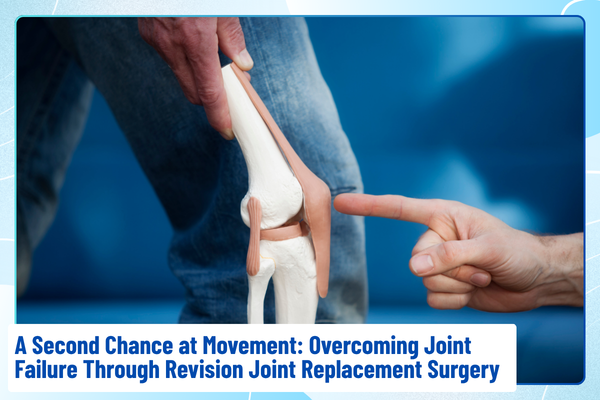
Revision Joint Replacement Surgery is a specialized orthopedic procedure performed when a previous joint replacement implant becomes painful, loose, worn out, infected, or unstable.
During revision surgery, the damaged implant may be repaired or replaced with a new prosthetic implant to restore mobility and reduce pain.
Common reasons for revision joint replacement include:
- Implant loosening or wear
- Infection around the joint
- Persistent pain or instability
- Joint stiffness and reduced mobility
- Implant failure or fracture
Modern robotic-assisted orthopedic techniques now allow greater surgical accuracy and improved recovery outcomes.
Common Symptoms That Should Not Be Ignored
Patients who have undergone previous joint replacement surgery should seek medical evaluation if they experience:
- Increasing joint pain after replacement surgery
- Swelling or stiffness around the joint
- Difficulty walking or standing
- Joint instability or unusual movement
- Reduced range of motion
- Persistent discomfort affecting daily activities
Early orthopedic evaluation can help prevent worsening complications and improve long-term joint function.
The Treatment Journey: Advanced Revision Orthopedic Care
Dr. Chakraborty designed a personalized surgical and rehabilitation plan tailored to Subhash’s condition and implant complications.
The treatment approach included:
- Detailed orthopedic imaging and implant assessment
- Robotic-assisted revision joint replacement surgery
- Removal and replacement of damaged implant components
- Precision alignment and joint stabilization
- Pain management and rehabilitation support
- Physiotherapy and mobility recovery training
The focus was not only on correcting the failed implant but also on restoring comfort, confidence, and long-term mobility.
Recovery Journey: Walking Comfortably Again
The recovery journey required patience, rehabilitation, and continuous medical support.
Key milestones during recovery included:
- Significant reduction in joint pain
- Improved walking ability and balance
- Better flexibility and joint movement
- Increased confidence during daily activities
- Emotional relief and renewed independence
With regular physiotherapy and follow-up care, Subhash gradually regained mobility and returned to a more active lifestyle.
Final Outcome: A New Beginning with Advanced Orthopedic Care
Today, Subhash Banerjee is walking comfortably again and enjoying daily life with greater confidence and independence after successful revision joint replacement surgery.
His story reflects how advanced orthopedic expertise, robotic surgical precision, and dedicated rehabilitation can help patients overcome even complex joint replacement complications. He now encourages others not to ignore persistent pain after joint replacement surgery and to seek timely specialist consultation.
Frequently Asked Questions (FAQ): Revision Joint Replacement Surgery
What is revision joint replacement surgery?
Revision Joint Replacement Surgery is a procedure performed to repair or replace a failed or problematic joint replacement implant.
Why might someone need revision joint replacement?
Reasons may include implant wear, loosening, infection, instability, persistent pain, or reduced mobility.
Is revision surgery more complex than primary joint replacement?
Yes, revision surgery is usually more complex and requires specialized orthopedic expertise and careful surgical planning.
Can robotic technology help in revision surgery?
Robotic-assisted surgery may improve implant positioning, precision, and overall surgical accuracy in selected cases.
How long does recovery take after revision joint replacement?
Recovery varies depending on the patient’s condition, overall health, and rehabilitation progress.
Conclusion: Advanced Revision Surgery Can Restore Mobility and Quality of Life
Persistent pain and complications after joint replacement surgery can deeply affect physical mobility and emotional well-being, but modern orthopedic technology now offers advanced solutions for successful recovery.
Under the expert supervision of Dr Soumya Chakraborty, patients receive personalized and technologically advanced orthopedic care focused on restoring movement, reducing pain, and improving long-term joint function.
Subhash’s journey is a powerful reminder that revision joint replacement surgery, combined with expert care and rehabilitation, can help patients reclaim independence, comfort, and confidence once again.